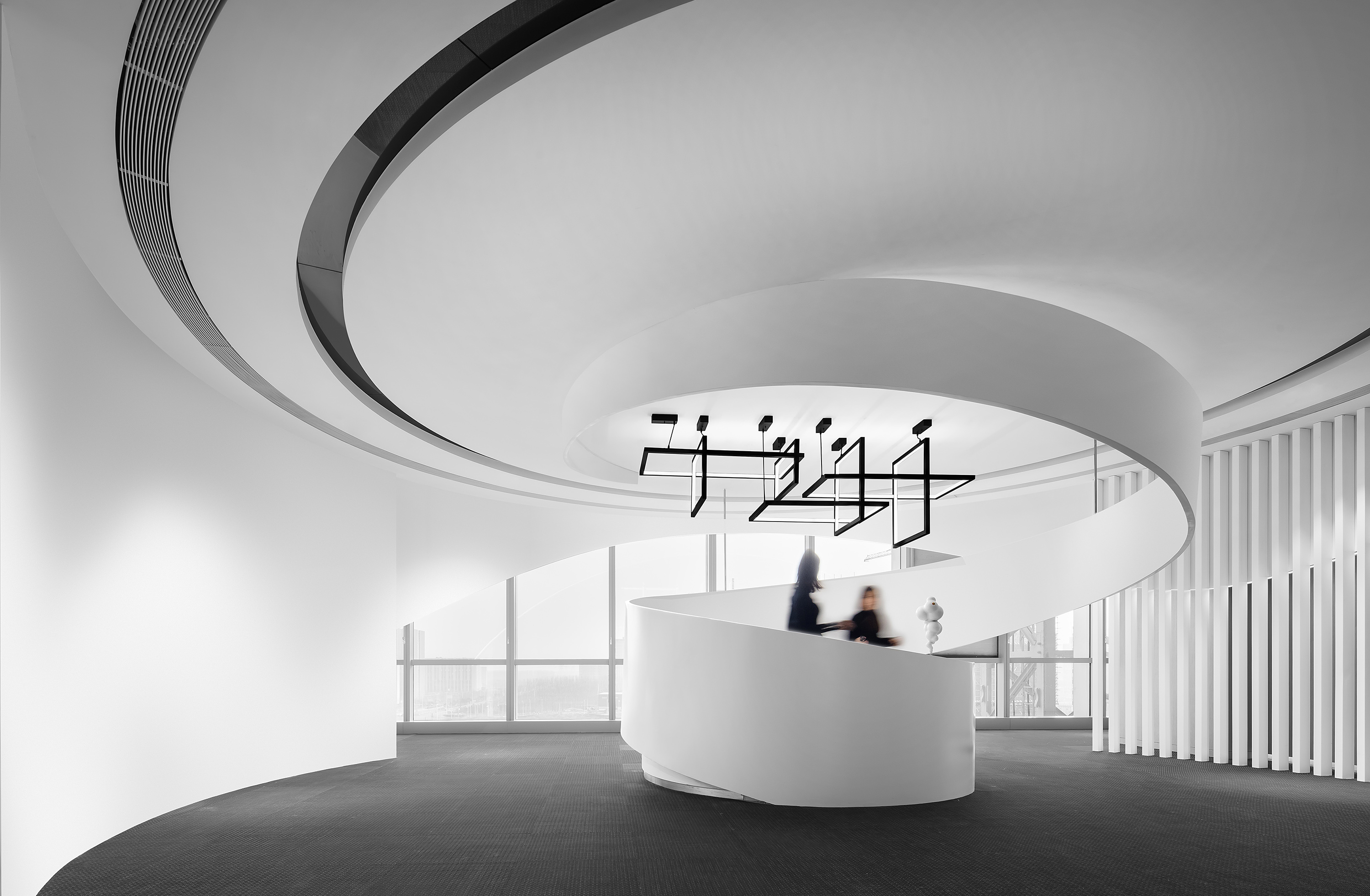
Interior Design Bandung: Redefining Homes, Offices & Retail with Sustainable Innovation
Bandung is more than a city of cool cafés and creative youth—it’s a growing hub for design, innovation, and sustainable living. As an interior designer with years of experience, I’ve seen firsthand how Bandung’s character is shifting: people demand spaces that inspire, function well, and honour both global best practices and local identity. In this article, I share how Interior Design Bandung is being reimagined—guided by sustainability principles like those in LEED—so that homes, offices, and retail environments are future-proof, people-centric, and deeply rooted in our cultural context.
Bandung’s Green Shift: Why LEED Principles Matter Locally
The LEED (Leadership in Energy & Environmental Design) framework, well known globally, is making waves in Indonesia. Sustainahaus+1 For Bandung, adopting these kinds of sustainable standards isn’t just for prestige—it’s about health, efficiency, and long-term value.
-
Energy & Water Efficiency: Innovative lighting, sensor-based systems, low-flow fixtures—these reduce bills and lessen environmental impact.
-
Indoor Environmental Quality: Natural ventilation, improved air quality, and daylighting help offices in Bandung feel less stuffy, while homes feel more refreshing.
-
Material Selection & Waste Reduction: Using responsibly sourced timber, local stone, recycled or low-VOC materials keeps interiors both beautiful and safer for occupants.
These LEED-style strategies align with what residents and businesses in Bandung—especially in districts like Dago, Cihampelas, or Lembang—are seeking: comfort + conscience.
Designing Retail Spaces That Captivate & Sustain
Retail environments in Bandung are evolving. Customers today expect more than shelves and signage—they want experience, emotion, and authenticity. Our firm approaches retail design by layering sustainable design with narrative.
Experience + Identity
We ensure stores tell a story. Think of a boutique in Braga Street—heritage Art Deco facades, warm lighting, use of local fabrics or wood textures. Such touches connect shoppers to place, instilling pride and comfort.
Flexibility & Smart Layouts
Retail cycles change fast: seasonal displays, pop-ups, special events. Layouts and fixtures that adapt, instead of rigid builds, allow brands to shift quickly without huge cost.
Green Design as Differentiator
Shoppers are getting eco-aware. Retail spaces that incorporate sustainable materials, efficient lighting, recycling systems, or green walls not only reduce environmental footprint but also signal brand values. In Bandung, where creative economy is strong, alignment with nature is increasingly appreciated. UNESCO+1
Office Environments That Elevate Work Culture & Productivity
Companies in Bandung—from tech startups around Cihampelas to co-working spaces in Dago—are discovering that office design deeply influences culture and output.
Hybrid & Flexible Work Zones
Providing spaces for collaboration, quiet focus, social interaction, and virtual meeting means catering to diverse working styles. Flexible furniture, movable partitions, and mixed layout types support this.
Wellness & Indoor Health
Applying LEED-inspired measures like better ventilation, daylight, non-toxic finishes, and natural elements contributes to occupant health. Productivity doesn’t only come from functional design—it comes from comfortable, healthy users.
Local Culture + Aesthetic Sensibility
Bandung is a creative city. Local craftsmanship, traditional patterns, sustainable local materials—batik fabrics, bamboo, reclaimed wood—can be woven into office interiors to reflect identity, grounding the workspace in local culture while still being modern and world-class.
Homes that Balance Aesthetics & Practical Living
Urban households in Bandung face space constraints, changing family patterns, and a desire for homes that are both sanctuary and expression.
-
Lighting & Natural Light: Thoughtful window orientation, use of translucent partitions, and layered lighting designs make spaces feel larger and more serene.
-
Efficient Use of Space: Built-in storage, multifunctional furniture, adaptable areas (e.g. rooms that shift from work / study to relaxation).
-
Sustainable Materials at Home: Local stone, bamboo, eco-paints, natural fibres—materials that reduce environmental impact and create warmer, more tactile interiors.
Global Best Practices + Local Insight = Lasting Value
What makes Interior Design Bandung exceptional when done well is the blend: taking principles like those from LEED and green building movements, and adapting them for Bandung’s climate, culture, and cost-expectations.
-
Certifications & Standards: Whilst full LEED certification may still be less common in Bandung than in Jakarta or Bali, many projects are striving to meet similar benchmarks in energy efficiency, indoor air quality, and sustainable materials.
-
Regulation & Incentive: Bandung already has some green building codes and creative city initiatives. EDGE Buildings+1 These make it easier for designers who want to integrate sustainable strategies.
-
Value Over Time: Sustainable and well-designed spaces often cost more upfront, but yield savings in energy, maintenance, health, and user satisfaction. Homeowners, retailers, and businesses who invest in good design reap returns over years.
Five Design Hacks from Our Firm for Bandung Projects
-
Daylight Maximisation – Prefer window orientations and layouts that let in natural light. Use light shelves, clerestory windows.
-
Indoor-Outdoor Blend – Use balconies, terraces, or garden walls in homes/offices, bringing in plants and natural textures.
-
Passive Cooling Strategies – Overhangs, shading screens, cross-ventilation for Bandung’s tropical highland climate.
-
Smart Systems Integration – Lighting sensors, programmable HVAC, water-saving fixtures to reduce waste.
-
Material Honesty & Local Artisanship – Use of local crafts, textures, and materials delivers authenticity and strengthens community ties.
The Impact: Culture, Productivity & Well-Being
When design incorporates these sustainable, people-centric elements, the results are profound:
-
Offices see higher staff satisfaction, fewer sick days, more creativity.
-
Retail businesses benefit from longer visits, stronger customer loyalty, better brand perception.
-
Homes feel more comfortable, relaxing, and resilient—spaces that adapt over time rather than becoming obsolete.
Conclusion: Interior Design Bandung as a Model for the Future
Bandung is uniquely positioned: a creative city (UNESCO City of Design) UNESCO, young energetic demographic, strong design culture, local crafts heritage, and growing awareness of sustainability. By combining global best practices—like those in LEED and green building frameworks—with local culture and intelligent design, Interior Design Bandung can redefine what good spaces mean.
At our firm, we strive to deliver designs that are not only beautiful, but meaningful, sustainable, and long-lasting. Spaces that inspire people, honour place, and deliver value long into the future.


